

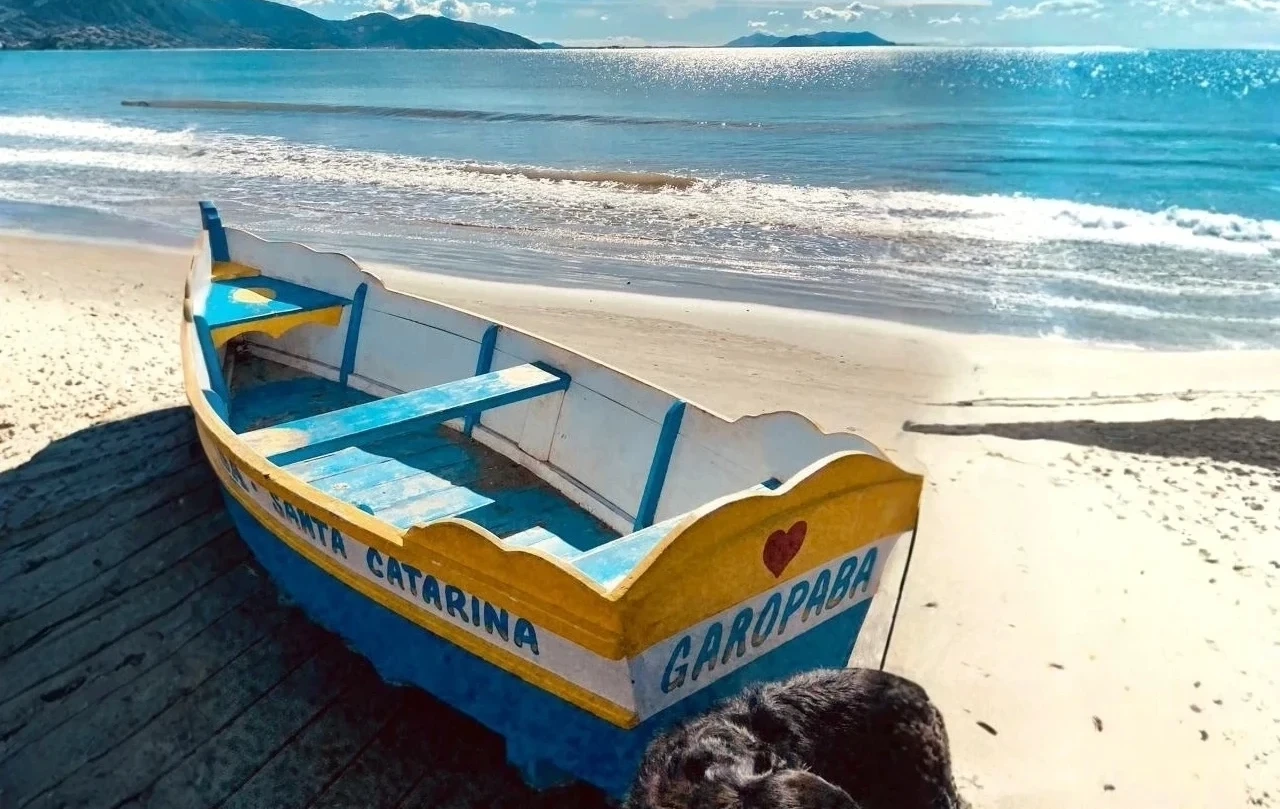
Mar Aberto invites you to discover a true natural treasure. Garopaba is filled with breathtaking scenery. Its diversity—ranging from the rich wildlife and plant life of the Atlantic Forest to beaches, dunes, rocky cliffs, lagoons, and coastal vegetation—captivates everyone who visits the region. In addition, the city preserves important historical records, with archaeological sites and cultural expressions that reflect the contributions of diverse peoples, including the Guarani, Azorean settlers, and Afro-descendants.
With an area of 114.640 km² and a population of around 23,000 inhabitants (IBGE, 2019), Garopaba has a history shaped by the interaction of different cultures. The city was an important landmark for Portuguese navigators during the early expeditions to South America in the 16th century, and its name, given by the Guarani people, means “Bay of Boats.”
Settlement expanded in the 18th century with the arrival of Azorean immigrants, who adapted to the region, especially in fishing activities, supported by Indigenous knowledge. The establishment of the Armação de São Joaquim de Garopaba, between 1793 and 1795, was a key moment, dedicated to whale hunting, which had a strong impact on the region’s economy. After the end of this practice, artisanal fishing and family farming became the main activities.
A major transformation occurred with the construction of the BR-101 highway in the second half of the 20th century, which improved access and attracted visitors, marking a new phase of development with tourism as the main economic driver.
Garopaba is an invitation to explore and be amazed. Known as the Surf Capital of Santa Catarina, it stands out for its excellent waves and is ideal for a wide range of sports activities. Like the first travelers, you are invited to fall in love with its landscapes, its history, and above all, its warm and welcoming people.
Garopaba City Facts:
• Tourist Region: Encantos do Sul
• Area: 114.640 km² (IBGE/2016)
• Population: 23,579 inhabitants (IBGE/2019)
• Latitude: 28°01'24"
• Longitude: 48°36'48"
• Altitude: 18 m
• Nearby cities: Imbituba, Paulo Lopes
In Garopaba, tourism is a true immersion in local cultures. For an authentic experience, we recommend community-based tourism through the Land-Based Whale Watching Network (Rede TOBTerra). This initiative promotes sustainable and integrated tourism, featuring ecological trails, visits to traditional communities, and whale watching—one of the region’s greatest highlights.
The TOBTerra Network is made up of local guides, technicians, and tourism professionals, offering three main experiences:
- Ecological Trails: Guided by locals who share knowledge about the region’s fauna, flora, and the archaeology of coastal cliffs and beaches.
- Community Visits: Featuring quilombola communities, artisanal fishing villages, and family farms, providing a rich cultural exchange.
- Whale Watching: A unique, low-impact experience to observe Southern Right Whales in their natural nursery.
Let’s explore the nautical experiences that define Garopaba:
Kitesurfing at Ibiraquera Lagoon: The Perfect Wind
Ibiraquera Lagoon is one of the world’s top kitesurfing spots. Its shallow, flat waters combined with steady winds create ideal conditions for both beginners and experienced riders. Watching colorful kites glide across the lagoon with dunes and mountains in the background is an iconic Garopaba scene.
Southern Right Whale Watching: An Epic Encounter
Between July and November, majestic Southern Right Whales come to Garopaba’s waters to mate and give birth. Joining a responsible whale-watching tour to witness these gentle giants is an unforgettable and meaningful experience connected to marine conservation.
Surfing at Ferrugem and Silveira Beaches
Garopaba is a surfer’s sanctuary. Ferrugem Beach offers consistent and perfect waves, while Silveira Beach challenges even the most experienced surfers with its powerful breaks. Catching waves at sunrise, surrounded by preserved nature, is almost a spiritual ritual for locals.
Artisanal Fishing with the Guardians of the Sea
Experience the fishing traditions that shaped the city. Joining local fishermen on their wooden boats or canoes offers a deep cultural and nautical immersion. Learning about mullet fishing cycles and reading the weather like the locals is a living maritime heritage.
Stand-Up Paddle at Siriú Lagoon
For moments of pure tranquility, Siriú Lagoon offers calm, crystal-clear waters ideal for stand-up paddleboarding. Gliding silently through mangroves while observing migratory birds is a truly refreshing experience.
Garopaba is undoubtedly a destination that captivates and leaves a lasting impression. Come discover the experiences of Santa Catarina’s surf capital with Mar Aberto by clicking the link below:
< experiences link filtered for Garopaba >
< sharing link >
Learn more about Garopaba:
Garopaba Municipal Tourism Office – SETUR
+55 48 3254-8173
https://turismo.garopaba.sc.gov.br/pagina-125/
Colônia de Pescadores Z–12
Rua Manoel Álvaro de Araujo, 100 – Centro
Garopaba – SC, 88495-000
+55 48 3254-4803
Coloniaz12@hotmail.com
Garopaba Fishermen’s Association
Address: Avenida dos Pescadores, Centro, 88495-000, Garopaba/SC
Phone: +55 48 3354-0888
E-mail: huribi@gsurf.com.br
Land-Based Whale Watching Network – TOBTerra (Non-Profit Informal Organization)
E-mail: redetobterra@gmail.com
Phone: +55 48 99616-3048
Instagram: @redetobterra
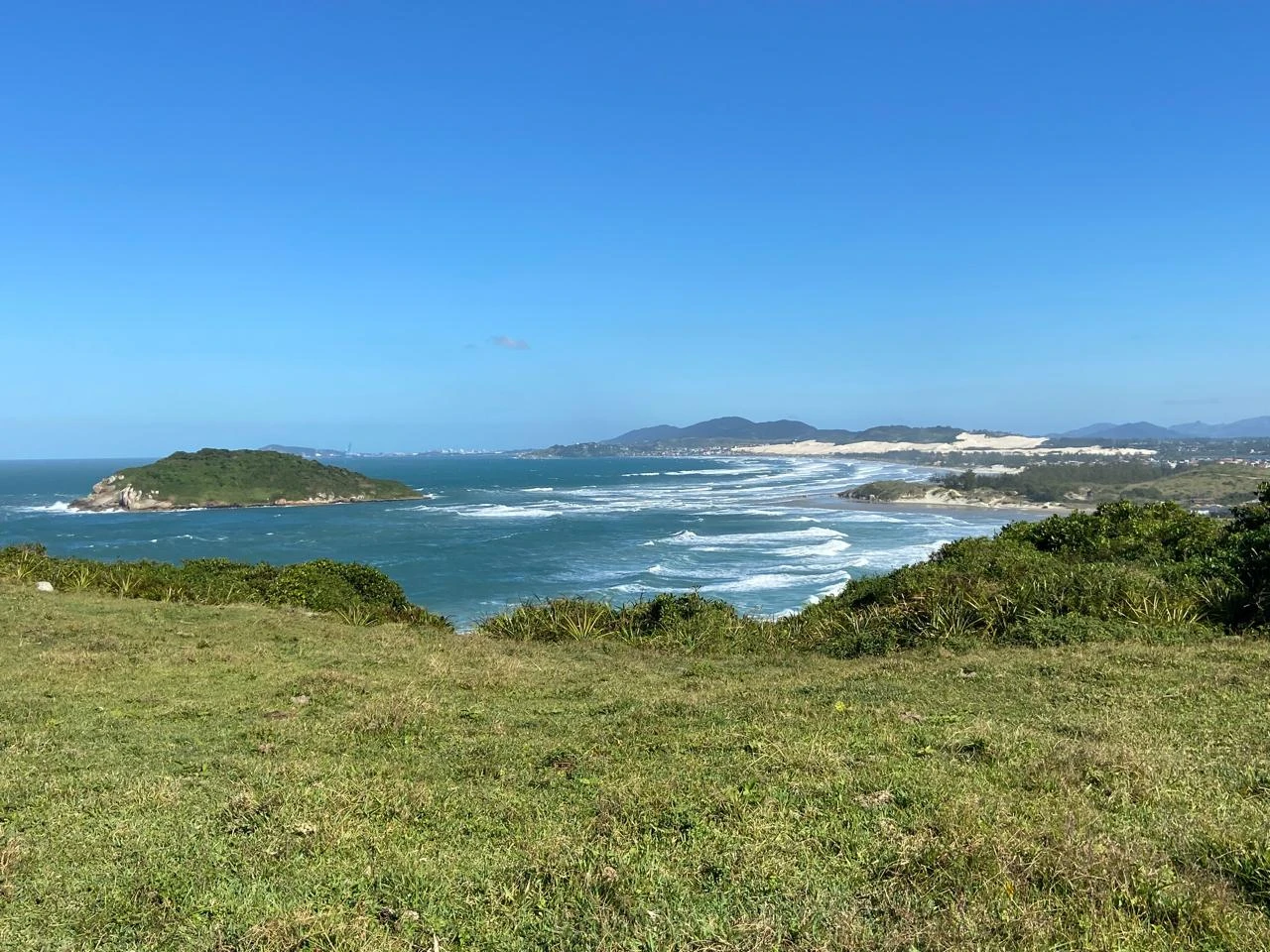
For true ocean lovers, Imbituba is not just a destination; it is a visceral experience. Known as the “National Capital of the Southern Right Whale,” this stretch of Santa Catarina’s southern coast offers an intense and diverse nautical agenda, ranging from thrilling encounters with giants to the pure adrenaline of world-class surfing. Get ready for a journey where every wave tells a story and every experience is a discovery.
The municipality features beaches, lagoons, dunes, islands, and vast areas of native Atlantic Forest, with the internationally renowned Praia do Rosa standing out. The city also has a strong commercial sector and is home to a port complex located in an open bay with deep and sheltered waters. Its navigation basin offers ideal depth conditions, favoring maritime activities.
Natural and Tourist Attractions
Imbituba is famous for its paradisiacal beaches, attracting visitors from around the world, especially surfers. Among the main attractions are:
Praia do Rosa: Recognized as one of the most beautiful beaches in Brazil and world-famous among surfers, Praia do Rosa is a must-visit destination for those seeking nature and great waves. Surrounded by native forest, it is also a refuge where Southern Right Whales can be spotted during breeding season, from July to November.
Praia de Ibiraquera: Ideal for kitesurfing and windsurfing, this beach is known for its calm waters and lagoons. The sunsets and lush nature make Ibiraquera a peaceful and enchanting destination.
Praia da Vila: Famous for hosting world surfing championships, Praia da Vila offers perfect waves for surfers. Its infrastructure of bars and restaurants also makes it a popular gathering spot for locals and tourists.
Ibiraquera Lagoon: With its network of smaller lagoons, this area is perfect for stand-up paddleboarding and kayaking. It is calm, safe, and ideal for families with children.
Historical and Cultural Heritage
Imbituba also preserves important historical landmarks:
- Whale Museum: Located at the former whaling port, the museum tells the story of the city and whale hunting, which once played a major role in the local economy. It also contributes to awareness and conservation efforts.
- Main Church: Located in the city center, the Imbituba Main Church is an icon of colonial architecture and an important historical and cultural landmark.
- Port of Imbituba: One of the oldest in Santa Catarina, it remains an important economic hub with a key role in local trade.
Ecotourism and Southern Right Whales
Imbituba is part of the Southern Right Whale Environmental Protection Area, making it one of the best destinations in Brazil for whale watching. The city offers tours that provide a unique experience while promoting responsible tourism and marine conservation.
The RESEX (Extractive Reserve for artisanal fishing in Imbituba and Ibiraquera) is a conservation unit aimed at protecting natural environments and ensuring the traditional way of life of artisanal fishermen who have lived for decades around the Ibiraquera, Doce, Encantada, and Garopaba lagoons, as well as the adjacent coastal marine area. The reserve is partially located within the Southern Right Whale APA and includes coastal and marine ecosystems such as lagoons, the ocean, tidal zones, and coastal lands.
Gastronomy and Local Culture
Imbituba’s cuisine is rich in seafood, with restaurants that prioritize local ingredients and traditional recipes. Throughout the year, several food festivals take place, offering visitors the chance to taste local specialties such as shrimp and grilled mullet.
With stunning beaches, a fascinating history, and a welcoming culture, Imbituba is a complete destination for those seeking relaxation, adventure, or a connection with nature. Whether you are a lover of the ocean, history, or nature, Imbituba promises unforgettable experiences.
Let’s explore the nautical experiences that only Imbituba offers:
1. Whale Safari: An Epic Encounter
The city’s most iconic experience. Between July and November, Southern Right Whales come to Imbituba’s warm, protected waters to give birth. Joining a whale-watching tour means witnessing a true natural spectacle: mothers with their calves, impressive breaches, and the unforgettable spray in the air. It is a moment of deep connection and respect for marine life, operated by companies with strong environmental commitments.
2. Surfing Legendary Waves
Imbituba is a surfing sanctuary. The world-famous Praia da Vila hosts stages of the World Surf League, with powerful and perfect waves breaking over a rocky bottom. Beyond Vila, explore Praia do Rosa, Itapiruba’s consistent waves, and beginner-friendly spots. Renting a board and hitting the water is a must.
3. Diving into an Underwater World
Rich marine life and historic shipwrecks, such as the famous “Elisabeth,” make Imbituba a sought-after diving destination. Whether snorkeling along Ibiraquera Lagoon’s rocky shores or scuba diving to explore sunken vessels turned artificial reefs, immersion is guaranteed.
4. Kitesurfing and Windsurfing at Ibiraquera Lagoon
One of the best spots in Brazil for these sports. Constant winds combined with shallow, flat waters create a natural playground. Watching colorful kites over the lagoon is a classic Imbituba scene. Local schools offer lessons and equipment rentals for all levels.
5. Boat Tour Along the Diverse Coastline
Take a boat tour to explore the sculpted coastline. Visit the Our Lady of Lourdes Grotto, hidden among rocky cliffs, discover secluded beaches accessible only by sea, and enjoy breathtaking viewpoints. It is a relaxing way to experience the region’s unique geography.
6. Ocean and Shore Fishing
Experienced anglers come to Imbituba for offshore fishing of tuna and other large pelagic species. Meanwhile, traditional shore fishermen using nets and rods represent a living cultural heritage. Trying local fishing—either on a boat or from the rocks—is a connection to centuries-old traditions.
Imbituba is an unforgettable destination. Discover its experiences with Mar Aberto by clicking the link below:
< experiences link filtered for Imbituba >
< sharing link >
Learn more about Imbituba:
SEDETUR Imbituba
+55 48 3355-8100 Ext. 8190
Colônia de Pescadores Z-13
Rua 3 de Outubro, 870, Centro
Imbituba/SC – 88780-000
+55 48 3255-1045
Fishermen Residents Association of Porto Beach
+55 48 99610-3089
Email: nara.imb@hotmail.com
Website: ampap.org.br
Rural Community Association of Imbituba
Travessa Principal dos Areais da Ribanceira
Imbituba – 88780-000
Email: contato@acordi.org
Fishermen and Boat Owners Association of Itapiruba
Itapiruba, Imbituba – SC, Brazil
Email: ad.pescadores@bol.com.br
Sources:
Imbituba Atende: https://imbituba.sc.gov.br/turismo/
Ministry of the Environment: https://www.gov.br/icmbio
RESEX Imbituba and Garopaba: https://reseximbitubagaropaba.blogspot.com
Follow Mar Aberto on social media:
< social media link >
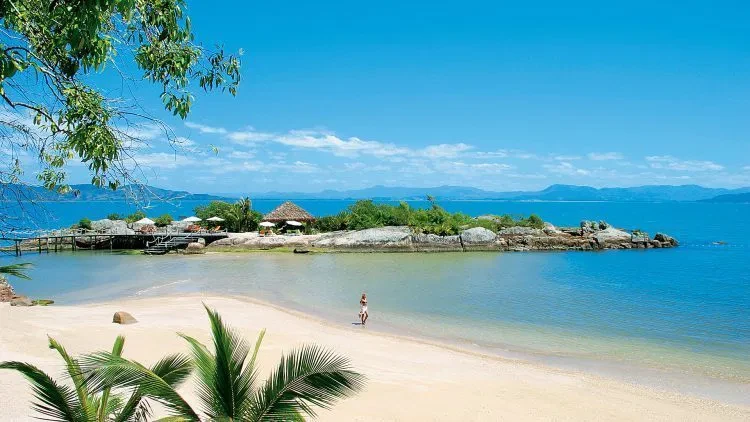
While neighboring destinations bustle with crowds, Governador Celso Ramos—affectionately known as “GCR”—keeps a secret cherished by ocean lovers: one of the most beautiful and well-preserved bays in Brazil, offering the most authentic and relaxing nautical experience on the Santa Catarina coast. This is not a place to simply see the sea, but to truly live it in its fullest form.
Established on November 6, 1963, under the name Ganchos—an old fishing port mentioned by Archpriest Paiva in 1868 and first appearing in 1776 on a Portuguese map as “Ganxos”—modern-day Governador Celso Ramos was inhabited by hunter-gatherer groups around 5,000 years ago. Between 750 and 1300 AD, the region was occupied by the Itararé (Jê) people, followed by the Guarani, who lived in two important villages: Reritiba and Piracoara.
With the creation of the Captaincy of Santa Catarina (1738), settlers from São Vicente, Cananéia, and São Francisco do Sul—alongside Indigenous and African peoples—built a chapel dedicated to Our Lady of Piety (1738–1745) within the largest industrial enterprise in southern Brazil at the time (1738–1778), the Armação Grande das Baleias, later known as Armação da Piedade. This complex was located in front of the Santa Cruz de Anhatomirim Fortress (1738), which was declared national heritage in 1938.
With the arrival of Portuguese, Azorean, and Madeiran settlers (1748–1756), the Parish of São Miguel da Terra Firme was founded in 1752 near Armação da Piedade. From 1820 onward, the region also received settlers from Ericeira, as well as German and Belgian immigrants (1847). By the time the Peace District was established in 1861, Ganchos already had 698 inhabitants.
Local sources suggest that the name Ganchos is related to the crescent shapes that outline the peninsula, but it may also originate from early Catalan navigators in the 16th century, referring to the two large “hooks” that form Tijucas Bay. The Bay of São Sebastião dos Tijucais, or Tijucas Bay, was called the “Bay of the Two Hooks” by English mineralogist John Mawe (1806), a name confirmed in a Portuguese map (1808). Residents are known as “gancheiros,” a term historically used for whale harpooners who handled hooks.
With an economy still rooted in fishing, the city is also opening up to tourism. Governador Celso Ramos is home to two conservation units: the Anhatomirim Environmental Protection Area and the Arvoredo Marine Biological Reserve.
Mullet fishing is a long-standing tradition in Governador Celso Ramos, dating back to the earliest inhabitants who depended on the sea for survival. Local fishermen developed specific techniques, passed down through generations, to catch mullet during their migration in autumn and winter.
The fishing season runs from May to July, transforming the town into a hub of work and celebration. The main technique used is encircling net fishing, which requires coordination and teamwork. This activity drives the local economy, supporting fishing families and boosting related sectors such as restaurants and guesthouses.
Artisanal fishing is especially important, as it minimizes environmental impact and ensures sustainability. Fishermen follow strict regulations and participate in marine conservation and environmental education initiatives.
Beyond its economic importance, mullet fishing is also a cultural celebration, with events such as the Mullet Festival bringing the community together. These festivities strengthen local bonds and preserve traditions.
Mullet fishing in Governador Celso Ramos goes far beyond catching fish—it embodies history, culture, and sustainability. It plays a vital role in preserving local identity and the richness of the sea.
If you’re looking for a day (or several) of true connection with the water, Governador Celso Ramos is your perfect escape. The city, made up of an archipelago of 14 islands and countless beaches and coves, is the ideal setting to trade pavement for the deck of a boat.
Let’s explore the nautical experiences you can’t miss in Governador Celso Ramos:
1. An Unforgettable Boat Tour
Forget crowded tours. In GCR, renting a private boat or taking a water taxi is the real ritual. Sailing through the calm, crystal-clear waters of Dolphin Bay reveals a new view at every turn: a secluded beach here, a private island there. On board, the only sounds are the wind, the engine, and the joy of the group. The only schedule is relaxation.
2. Diving into Nature (Literally!)
The calm, clear waters are an irresistible invitation. Many boats stop at perfect spots for snorkeling. Dive in to observe colorful fish, explore rocky formations, or simply cool off. It’s a natural aquarium at your disposal.
3. A Journey Through Seafood Flavors
The nautical experience in GCR is also a culinary one. A must-do is docking at one of the famous seaside “tendas”—rustic, welcoming restaurants, many accessible only by boat. Enjoy fresh seafood, oysters, or grilled fish with your feet in the sand and a view of the bay.
4. Dolphin Encounters
The name “Dolphin Bay” is no coincidence. It’s common to see dolphins swimming and jumping alongside boats. This magical moment of connection with nature is often the highlight of the day.
5. The Peace of a Secluded Beach
With so much coastline, it’s easy to find a beach all to yourself. Ask your boat captain to stop at one of the many hidden or hard-to-access beaches. It’s the perfect moment to swim, relax, or simply listen to the ocean.
6. Sunset Over the Water
End your day in style. Watching the sunset from a boat deck, with the sky painted in shades of orange and purple reflected on the water, is an almost spiritual experience.
Unlike more urbanized destinations, Governador Celso Ramos offers a calm and organic experience. There’s no rush. The atmosphere is all about relaxation and full connection with the sea. It’s the perfect destination for couples, families, and groups of friends seeking peace and great food.
Come to Governador Celso Ramos with Mar Aberto. Cast off, raise anchor, and discover that the best journey is not to a place, but to a state of mind: complete nautical peace.
Check out our experiences by clicking the link below:
< experiences link filtered for GCR >
Loved it? Share this itinerary with others who love the sea:
< sharing link >
Learn more about Governador Celso Ramos:
Department of Mariculture, Fisheries, and Agriculture Development
Rua Canal da Olaria, Ganchos do Meio
Governador Celso Ramos – SC, 88190-000
+55 48 3262 2528
Fishermen’s Colony Z9
Rua Gerino Belmiro dos Santos, 53
Governador Celso Ramos – SC, 88190-000
+55 (48) 3262-7042
Municipal Tourism Department
+55 48 3262-2090
Source:
https://governadorcelsoramos.sc.gov.br
Follow Mar Aberto on social media:
< social media link >
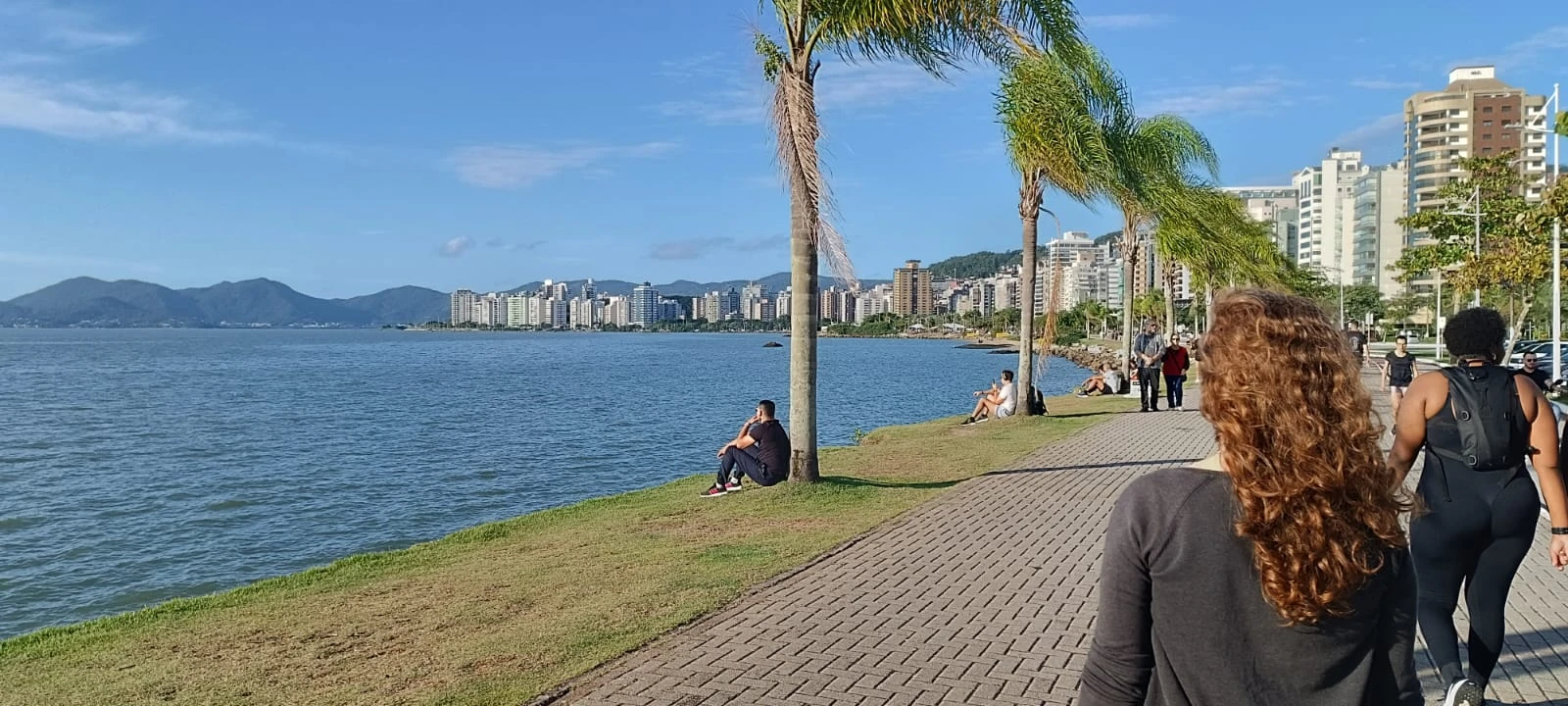
Come with Mar Aberto to discover Floripa—the beloved and beautiful “Island of Magic” in Brazil. Florianópolis offers not just one, but hundreds of different nautical experiences. This is the destination where you can explore hidden coves in the morning, sail in the afternoon, and enjoy world-class seafood cuisine at night—all in the same day.
In Florianópolis, the ocean is not just scenery—it’s identity. From the artisanal fishing traditions of local communities to the energy of modern marinas, life on the island moves to the rhythm of the tides. Here, nautical experiences are as diverse as the geography itself: from high-adrenaline surfing to meditative stand-up paddleboarding, every corner of the coastline offers a unique personality.
The Florianópolis archipelago is made up of 46 islands, 32 of which belong to the municipality, with more than 100 beaches spread across the island and mainland.
There are also many other highlights, such as the vibrant Lagoa da Conceição and the peaceful Peri Lagoon. The city features a well-organized historic downtown, the lively Beira-Mar Avenue, the charming Azorean-influenced neighborhoods of Santo Antônio de Lisboa and Ribeirão da Ilha, and impressive colonial fortresses. To complete the experience, there are museums, churches, theaters, and the city’s iconic symbol: the Hercílio Luz Bridge. Have you visited them all?
Do you know why Florianópolis is called the “Island of Magic”? It’s because the city carries mysteries and ancestral narratives dating back over 6,000 years—from rock art and Indigenous heritage to the legends recorded by Franklin Cascaes and passed down by early inhabitants.
The city has a 172 km coastline, shaped by its irregular geography across 54 km in length and 18 km in width, totaling 433 km² divided between island and mainland.
When Europeans first arrived on Santa Catarina Island, it was already inhabited by the Carijós (Guarani), an organized society that lived from agriculture, hunting, and fishing. Hans Staden, a German who lived among Indigenous peoples between 1550 and 1557, documented mullet fishing practices, where fish were dried and ground with cassava flour to ensure year-round sustenance—even for Europeans.
In 1675, when Dias Velho arrived to “colonize” the island, it was already inhabited by the Carijós. He brought a small group of Europeans and 500 Indigenous captives. After his death, the native population remained. In 1748, around 12,000 Azoreans arrived—people accustomed to surviving in resource-scarce archipelagos. They adapted to cassava farming, fishing, and livestock, supported by Indigenous knowledge, and introduced a rich cultural heritage, including devotion to the Holy Spirit, which fostered community unity.
The identity of the “Manezinho da Ilha” is the result of the blending of Azorean and Carijó cultures. While Azorean influence is more visible, Indigenous contributions are significant, especially in expressions and customs—such as the “uuuuuu” shout during mullet fishing, rooted in native traditions.
The sense of community, still present in festivals and mullet fishing, reflects a traditional way of life that has gradually been impacted by modernity. The caiçara culture—formed from the meeting of Indigenous and European traditions—continues to fight to preserve its territory, especially in regions like Paranaguá Bay and Santa Catarina Island.
In the 1970s, the island was still largely caiçara, with open movement between properties. Over time, many locals adapted to modern life while preserving traditions. Franklin Cascaes, aware of these changes, worked to document this culture through sculptures and storytelling.
Today, the “Manezinho” represents an ongoing cultural fusion between traditional caiçara roots and modern influences.
Let’s explore the nautical experiences that only Florianópolis offers:
1. Sailing Along the Coast
A sailboat trip departing from Beira-Mar Norte offers the thrill of wind-powered navigation along with the chance to spot marine life, all with the urban skyline as a backdrop. A unique blend of nature and city life.
2. Nautical Road Trip: East Coast Beach Cruise
Board a catamaran or schooner to explore the wild beaches on the eastern side of the island. This sea journey covers 4 to 7 untouched beaches—such as Saquinho, Lagoinha do Leste, and Naufragados—accessible only by trail or boat, offering crystal-clear waters and a true sense of discovery.
3. Snorkeling in the Natural Pools of Santinho
The rocky formations at Santinho create natural pools ideal for snorkeling. Abundant marine life and clear waters reveal a vibrant underwater world just steps from the shore—perfect for beginners and families.
4. Kitesurfing at Lagoa da Conceição with Mountain Views
Lagoa da Conceição offers one of the most stunning kitesurfing settings in the world. The flat waters contrast with surrounding mountains, creating a visually unforgettable experience powered by steady winds.
5. Historic Nautical Tour of the Fortresses
Sailing along the coast while visiting colonial fortresses—such as Anhatomirim, Ratones, and São José da Ponta Grossa—is like stepping back in time. This experience combines history, military architecture, and breathtaking scenery.
6. Offshore Fishing in Santa Catarina Waters
The deep waters surrounding the island are known for tuna, marlin, and mahi-mahi fishing. Going on an offshore fishing trip here means exploring one of the best fishing regions in the South Atlantic.
7. Sunset Stand-Up Paddle at Lagoa da Conceição
End the day with a peaceful paddle session at sunset. The calm waters reflect the sky in shades of orange and purple, creating a serene and almost spiritual experience.
Sources:
Tainhas ao Vento: https://tainhasaovento.com.br/sobre/
Florianópolis City Hall: https://www.prefeituradeflorianopolis.org
Explore Mar Aberto experiences in Florianópolis by clicking the link below:
< experiences link filtered for Florianópolis >
< sharing link >
Learn more about Florianópolis:
Municipal Department of Tourism, Culture, and Sports
Avenida Rio Branco, 611
Centro – ZIP Code: 88015-203
Instagram: @seturfloripa
Email: setur@pmf.sc.gov.br
Fishermen’s Colony Z-11
Centro, Florianópolis/SC, 88015-230
Phone: +55 48 3224-9007
Tainhas ao Vento Fishermen Group
Instagram: @tainhasaovento
Artisanal Fishermen’s Association of Armação Beach
+55 48 98419-8319
Pântano do Sul Fishermen’s Association
+55 48 98859-2146
Follow Mar Aberto on social media:
< social media link >
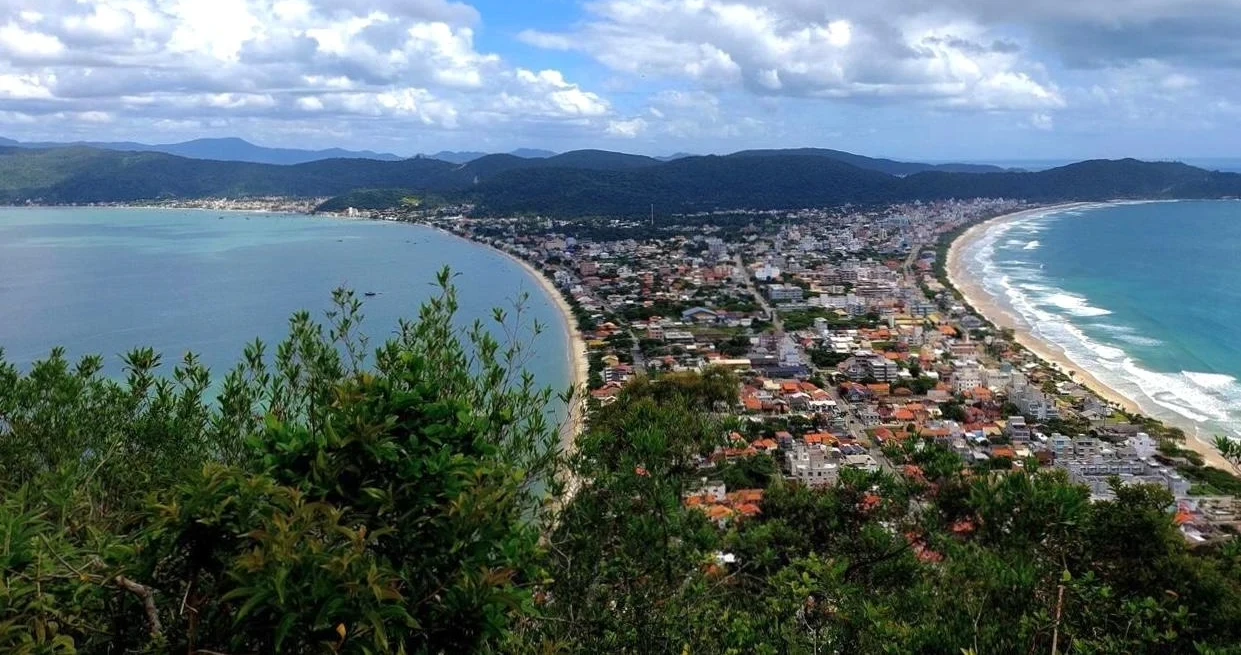
For true ocean lovers, Bombinhas is not just a destination—it’s a full immersion. Known as the diving capital of Southern Brazil, this slice of paradise on the Santa Catarina coast offers an intense and unforgettable nautical experience, where marine life pulses in every wave and the coastline, sculpted by nature, invites exploration.
Get ready for a journey where the ocean is the true protagonist.
Bombinhas is a municipality located on the central-northern coast of Santa Catarina. The city, a peninsula extending into the Atlantic Ocean, covers an area of 35.913 km² and has a population of 25,058 inhabitants (IBGE, 2022).
The main economic activities in Bombinhas are tourism, artisanal fishing, and mariculture (mussel and oyster farming), traditions inherited from Indigenous peoples and later from Azorean settlers. Today, tourism is the backbone of the local economy, representing 19.74% of the GDP. Bombinhas is recognized as one of the best tourist destinations in Brazil.
Natural Beauty and Ecotourism
Bombinhas is famous for its stunning natural beauty, featuring 39 beaches with diverse characteristics—from calm bays to secluded beaches accessible only by trails or by sea. Located about 70 km from the capital, Florianópolis, Bombinhas is also close to cities like Itajaí, Balneário Camboriú, Itapema, and Porto Belo, as well as Navegantes Airport. It is part of the Costa Verde & Mar Tourism Region.
As a peninsula, Bombinhas offers a wide variety of landscapes and outdoor activities, including hiking, trekking, surfing, diving, boat tours, paddle boating, kayaking, and cycling.
In addition, Bombinhas is home to three municipal conservation units, ideal for ecotourism: Galheta Natural Park, Morro do Macaco Natural Park, and Costeira de Zimbros Natural Park. These areas feature ecological trails, many originally created by local residents. The city is also home to the Arvoredo Marine Biological Reserve, a federal conservation unit.
National and International Recognition
Bombinhas ranks as the 6th most sought-after Brazilian destination among international leisure tourists, according to Brazil’s Ministry of Tourism (2019). Between 2006 and 2011, the city was consistently ranked among the top five beaches in Brazil by Viagem e Turismo magazine, reaching 3rd place in 2008 and 2012.
The city is recognized both nationally and internationally and offers a wide range of accommodation and dining options, with over 180 lodging facilities and around 200 restaurants, bars, and snack venues.
Environmental Education: The “School of the Sea” Program
One of Bombinhas’ most important initiatives is the School of the Sea Program, created to promote environmental education and preserve traditional knowledge from the Zimbros community. Designed for public school students, the program is supported by a qualified technical team and aims to protect a small yet vital coastal area of great historical, cultural, and biological importance.
The program goes beyond awareness, integrating environmental education with public policies and community activities. It promotes dialogue and collaboration across local sectors, encouraging student autonomy, ecological awareness, ethical responsibility, and sustainable development.
Artisanal Fishing and Mariculture: Sustainability and Culture
Artisanal fishing, especially mariculture, plays a central role in Bombinhas’ economy and sustainability. The region is one of Santa Catarina’s main mariculture hubs, known for producing mussels and oysters with low environmental impact. Local fishing communities continuously adapt to ensure sustainability and resource preservation.
Mullet fishing, practiced between May and July, is another important tradition. It involves collective work and includes the construction of traditional single-log canoes made from garapuvu wood—an Indigenous-origin practice.
Settlement of Bombinhas: History and Culture
The first inhabitants of Bombinhas were Indigenous peoples, as evidenced by archaeological sites and rock inscriptions. The name “macucos,” from Tupi, refers to these early inhabitants.
In 1527, navigator Sebastião Caboto, serving Spain, arrived at Zimbros Bay. Between 1748 and 1756, about 6,071 Azoreans settled in the region, bringing cultural influences such as fishing techniques and craftsmanship. Settlers occupied higher areas, while Indigenous populations remained near the sea.
Between 1900 and 1960, Bombinhas functioned as a self-sufficient community, producing food, clothing, and tools. Traditional mullet fishing using single-log canoes became a defining cultural element.
Challenges for Artisanal Fishing
Artisanal fishing faces challenges due to competition with industrial fishing. The construction of traditional canoes has declined due to a lack of skilled craftsmen and limited access to wood. However, local laws help protect and preserve this cultural heritage.
Let’s explore the nautical experiences that only Bombinhas offers:
1. Snorkeling in Natural Pools
At beaches like Sepultura and Bombas, rock formations create perfect natural pools for snorkeling. With just a mask and snorkel, you can explore a colorful underwater world of tropical fish, sea urchins, starfish, and even small octopuses.
2. Scuba Diving in Southern Brazil’s Best Waters
Bombinhas is considered by many to be the best diving spot in Southern Brazil. Local operators offer courses and guided dives to explore shipwrecks like the Itajubá and vibrant underwater walls filled with marine life.
3. Four Islands Boat Tour
A must-do experience! The Four Islands tour—Galé, Macuco, Aranha, and Coral—offers stunning coastal views, sea caves, and crystal-clear waters. Stops for swimming make the experience even more memorable.
4. Dolphin and Marine Life Watching
Bombinhas’ rich waters are home to bottlenose dolphins. It’s common to see them swimming and jumping alongside boats, creating magical moments of connection with nature.
5. Offshore and Shore Fishing
Fishing enthusiasts will find paradise here. Offshore fishing offers chances to catch tuna and large snook, while shore fishing along rocky areas like Praia da Tainha is a cherished local tradition.
6. Stand-Up Paddle in Protected Bays
For a peaceful experience, try stand-up paddleboarding in the calm waters of Bombinhas Beach or Zimbros Beach. It’s a relaxing way to enjoy the coastline from a unique perspective.
Bombinhas is for those who want to truly experience the ocean. It’s not just about staying on the sand—it’s about diving, exploring, sailing, and connecting with marine ecosystems. The combination of clear waters, abundant marine life, and a coastline full of hidden gems makes Bombinhas a one-of-a-kind destination.
Bombinhas is not just a place to visit—it’s a place to feel. Come dive into this experience and discover why this natural aquarium captivates everyone who explores it.
Ready to jump into this adventure? Share this Mar Aberto guide with fellow ocean lovers and start planning your trip by exploring available experiences below:
< experiences link filtered for Bombinhas >
< sharing link >
Learn more about Bombinhas:
SETUR Bombinhas
Av. Leopoldo Zarling, 2072 – 88215-000 Bombinhas/SC
+55 (47) 3393-7320
Website: turismo.bombinhas.sc.gov.br
Fishermen’s Colony Z-22 – Zimbros
+55 47 3393-3888
Bombinhas Mariculture Association
+55 47 3398-6385
Instagram: @maricultura.bbs
Bombinhas Fishermen’s Association
+55 47 3393-4508
Canto Grande Pier Fishermen’s Association
+55 47 99125-7488
Sources:
https://turismo.bombinhas.sc.gov.br
Follow Mar Aberto on social media:
< social media link >
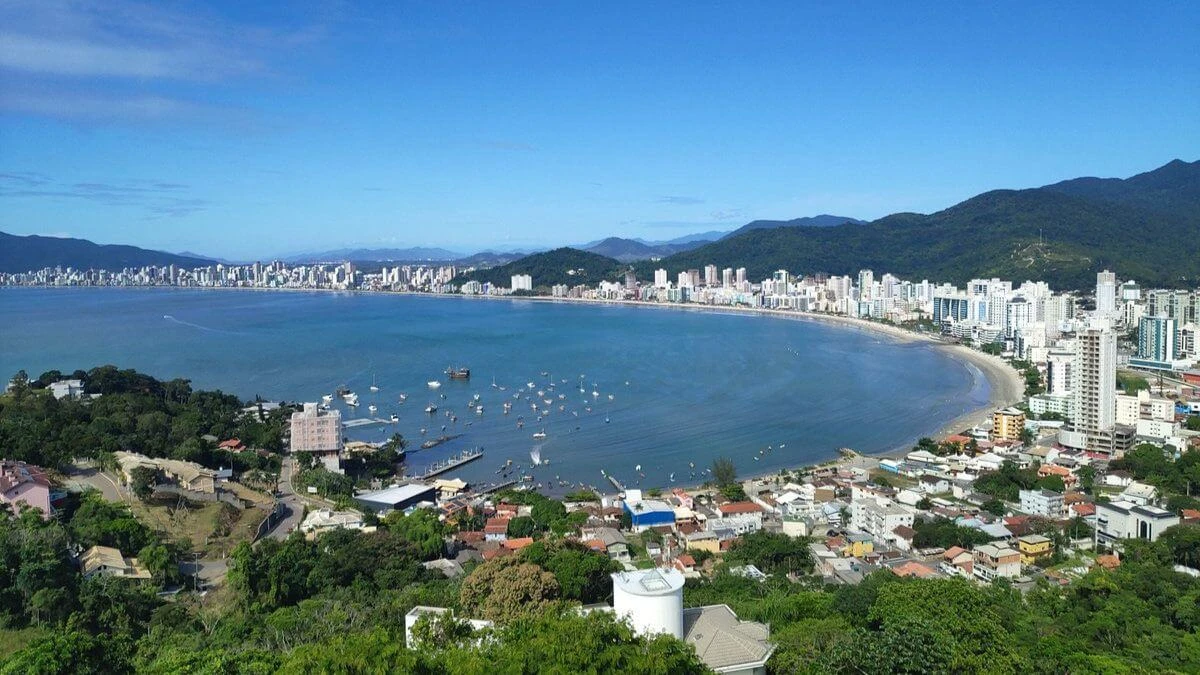
For those seeking the sophistication of the sea without giving up the comfort of protected bays, Itapema stands out as the ideal destination. More than just beaches, the “Pearl of the Atlantic” offers a complete nautical experience, where the serenity of calm waters blends with quality infrastructure and a refined seaside culinary scene.
Discover a more elegant side of Santa Catarina—perfect for families, couples, and comfort lovers with a taste for the ocean.
Itapema began as a fishing village and has become a charming tourist destination, known for its paradise-like beaches and excellent infrastructure. The city offers a variety of attractions, such as Central Beach, Meia Praia, and Praia Grossa—ideal for nature lovers. In addition, nautical tourism, boat trips, and craft markets are among the highlights that make Itapema a must-visit destination on the Santa Catarina coast.
Recently, Itapema has stood out as the fastest-growing municipality in Santa Catarina. With its beautiful beaches, waterfalls, streams, and a wide range of leisure and shopping options, the city is now the third most sought-after tourist destination in the state. Located in northern Santa Catarina—one of the most visited regions by international tourists in Brazil—Itapema features 7 km of stunning coastline, forming a bay with calm waters and white sand that blends with the green of the Atlantic Forest, rivers, and waterfalls. The city also offers helicopter tours, banana boat rides, and speedboat experiences. It has transformed into a lively hub of modern nightlife, with well-planned infrastructure including hotels, inns, restaurants, shopping centers, cinemas, and more.
Among its natural highlights are the Costão, where visitors can walk along rocky formations; Praia da Ilhota, still wild with strong waves; Praia Grossa, ideal for surfing; Canto da Praia, a traditional fishermen’s area; Central Beach, known for sports events; and the vibrant Meia Praia, with its modern and well-planned architecture.
Itapema’s history dates back to the colonial period, when it was inhabited by Azorean settlers and fishermen. Originally called Tapera, the area suffered a pirate attack in 1800, causing many families to leave. The city was reorganized in 1850 and, after several political changes, was renamed Itapema in 1921. In 1962, it officially became a municipality. From the 1970s onward, Meia Praia began to show its tourism potential, and in the 1980s the city started attracting visitors with its lively nightlife—while still maintaining its identity as a peaceful beach destination.
Today, Itapema has an area of 58.6 km², 14,283 meters of coastline, and a population of approximately 40,000 inhabitants. Its subtropical climate, with intense summer rains and temperatures reaching up to 40°C, makes it a popular destination year-round.
With its calm beaches and long stretch of sand, Itapema stands out as one of the most popular tourist destinations in Santa Catarina. The city offers excellent infrastructure, including lifeguards, showers, and boardwalks, and is also known for ultralight aircraft flights. It hosts an annual ultralight aviation event, attracting enthusiasts from across the region. The construction of breakwaters, about 200 meters long, has introduced new fishing practices, such as nighttime swordfish fishing.
Between May 1st and July 15th, the traditional mullet fishing season takes place in Santa Catarina, and Itapema is one of the locations where this practice remains alive, supporting many local fishing families. Rooted in Indigenous traditions, mullet fishing is one of the most important cultural events on the coast. Last year, approximately 2,300 tons of mullet were caught in the region. During this period, schools of fish migrate from the colder waters of Rio Grande do Sul toward Rio de Janeiro to spawn, and Itapema plays an important role in this route.
Let’s explore the nautical experiences that define Itapema:
1. Relaxing Coastal Navigation
Renting a private boat or yacht in Itapema is synonymous with luxury and tranquility. Cruise along the calm waters of the bay, navigating around rocky shores and discovering hidden spots. The view of the urban coastline from the sea offers a unique and glamorous perspective.
2. Snorkeling in the Natural Pools of Meia Praia
Meia Praia, with its shallow and protected waters, is like a natural aquarium. It’s ideal for families and for snorkeling without strong currents. Put on a mask and explore a world of colorful fish, starfish, and sea urchins just steps from the shore.
3. A Day (and Night) at Itapema Marina
The marina is more than a docking place—it’s a hub for entertainment and lifestyle. Walk along the docks, admire impressive yachts, and enjoy restaurants and bars with ocean views. At night, the area comes alive with music and lights, creating a vibrant atmosphere.
4. Stand-Up Paddle in Calm Waters
The waters of Itapema Bay and the Perequê River are perfect for stand-up paddleboarding. Glide smoothly across the surface, explore mangroves, and experience the city from a different perspective. It’s a peaceful and meditative activity.
5. Shore and Rock Fishing
Itapema is a paradise for fishing enthusiasts. Rocky areas like Praia Grossa are well known for catching snook, mullet, and bluefish. Fishing directly from the rocks is a local tradition and a simple way to connect with nature.
6. Sunset at Cabeçuda Pier
End your day by watching the sunset from the pier at Cabeçuda Beach. Walk to the end and enjoy a stunning 360-degree view of the bay as the sky fills with color. It’s a perfect and poetic way to close the day.
Itapema offers the best of both worlds: the calm of protected waters and the sophistication of modern infrastructure. It’s the perfect destination for those who want to enjoy the nautical lifestyle with comfort, safety, and elegance.
Itapema is not just a destination—it’s a feeling. It’s the pleasure of a calm swim, the reflection of sunlight on the water, and the taste of a great meal by the sea. Come experience the Pearl of the Atlantic.
Discover Itapema with Mar Aberto. Check out available experiences at the link below:
< experiences link filtered for Itapema >
< sharing link >
Learn more about Itapema:
Fishermen’s Association of Itapema
Rua 109 D, 43 – Canto da Praia, Itapema – SC, 88220-000
Fishermen’s Colony Z-19/SC
Parents and Teachers Association – Prefeito Olegário School
+55 47 3368-2505
Tourism and Economic Development Department
+55 47 3267-1593
Sources:
https://www.itapema.sc.gov.br/turismo/venha-descobrir-itapema/
https://guiaturisticosc.com.br/itapema/
Follow Mar Aberto on social media:
< social media link >
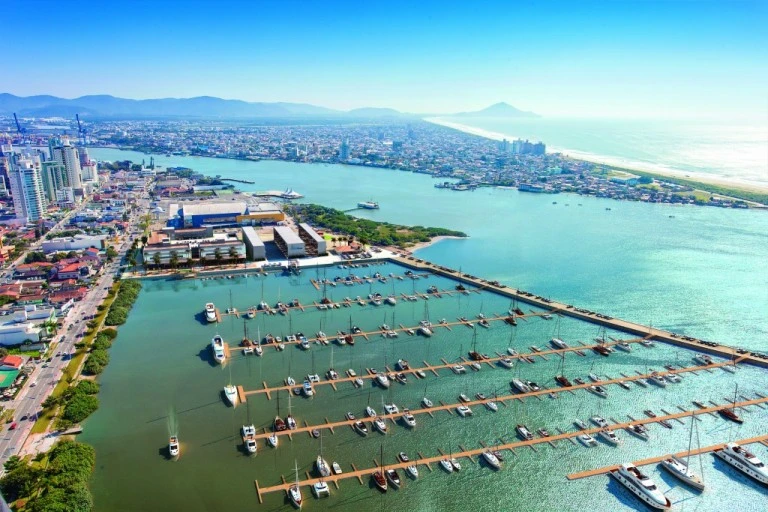
More than the largest fishing port in Brazil, Itajaí is a city where the nautical spirit resonates in every corner. Here, the experience goes beyond a simple boat ride; it is a full immersion into a culture shaped by both river and sea, where the grandeur of mega yachts blends with the simple traditions of local fishermen. Get ready to explore a destination where the vibrant life of the ocean sets the rhythm of everyday life.
Itajaí is located at the meeting point of the Itajaí-Açu River and the sea, forming part of a major connection hub with Brazil’s main highways and airports. Colonized by Portuguese settlers in the 18th century and Germans in the 19th century, the city has always maintained a close relationship with navigation. Today, it is home to one of the largest port complexes in the country, ranking as Brazil’s second-largest in container cargo handling and the leading exporter of frozen meats.
Constantly growing, Itajaí stands out for the expansion of industries such as oil, gas, and the nautical sector. With a population of over 287,289 inhabitants, the city is also rich in history, culture, and traditions. Throughout the year, it keeps its traditional festivals alive, including one of the region’s biggest events: Marejada, the largest seafood festival in Brazil, offering a rich blend of gastronomy, culture, and entertainment for both locals and visitors.
Itajaí is also a destination of remarkable natural beauty, with stunning beaches and parks that provide unique experiences. Its beaches, surrounded by hills covered in lush Atlantic Forest vegetation, are among its main attractions: Molhes, Atalaia, Geremias (with the Bico do Papagaio viewpoint), Cabeçudas, Morcego, Solidão, and Praia Brava. The Atalaia Natural Municipal Park and the Beira-Rio (Ministro Victor Konder Avenue) are must-visit spots for both residents and tourists.
In addition, Itajaí has hosted international events such as The Ocean Race, the largest nautical event in the world. The city also stands out as a destination for major cruise ships, serving as an embarkation port for both national and international cruises.
Records from 1950 about rural life in the Itajaí Valley provide valuable insights into the history of fishing in the region, especially along the coast. The municipality, located at the mouth of the river that gives the valley its name, has long been known for its fishing vocation, with activities spread across beaches, coves, and rivers. Fishing, essential to the local economy, sustained riverside communities.
Summary of the Nautical Experiences Only Itajaí Offers:
1. Witness the Majesty of the Port
The first and most striking nautical experience in Itajaí is visual. Watching the operations of the Port of Itajaí, one of the most important in Latin America, is a spectacle of engineering and logistics. Seeing massive cargo ships, stacked with colorful containers like building blocks, being maneuvered with precision is truly impressive.
2. Explore the World of Yachts
Itajaí is home to one of the most important yacht clubs in the country, featuring a marina filled with impressive yachts and elegant sailboats. Walking along the docks and soaking in the sophisticated sailing atmosphere is an experience on its own.
3. Boat Tour Along the Itajaí-Açu River
Taking a boat ride along the river offers a unique perspective of the city. You’ll navigate between the modern port, historic warehouses, shipyards, and the daily life along the riverbanks, experiencing the city’s story through its waters.
4. Taste the Sea at the Public Market
The nautical experience in Itajaí is also gastronomic. The Public Market is the heart of this tradition. Enjoy ultra-fresh oysters, shrimp straight from the boats, and traditional fish dishes like seafood stew in an authentic and lively environment.
5. Experience Ocean Sailing Energy
Itajaí hosts a stage of The Ocean Race, one of the most important events in the global sailing calendar. During the event, the city comes alive with international teams, high-performance racing yachts, and thousands of fans. Even outside the event, the spirit of ocean sailing is deeply embedded in local culture.
Itajaí is not about relaxing on a deserted beach. It’s about feeling the raw, dynamic energy of the sea that drives a city forward. It’s a unique blend of industrial strength and traditional roots, of global connections and local identity.
Itajaí invites you to feel the pulse of the ocean. Come explore its waters with Mar Aberto, savor its richness, and witness up close the power of Brazil’s largest fishing port.
Did you enjoy this guide? Share it with those who appreciate authentic destinations:
< link to experiences filtered for Itajaí >
< sharing link >
Learn more about Itajaí:
SETUR – Municipal Tourism and Events Department
+55 47 3348-1080
Email: turismo@itajai.sc.gov.br
Aquaculture and Fisheries Development of Itajaí
+55 3344-2308
+55 9 9919-6033
Email: sepesca@itajai.sc.gov.br
Fishermen’s Colony Z-36
Centro – Itajaí – SC – ZIP 88301-361
+55 47 3248-0443
Sources:
https://www.visite.itajai.sc.gov.br
Follow Mar Aberto on social media:
< social media link >
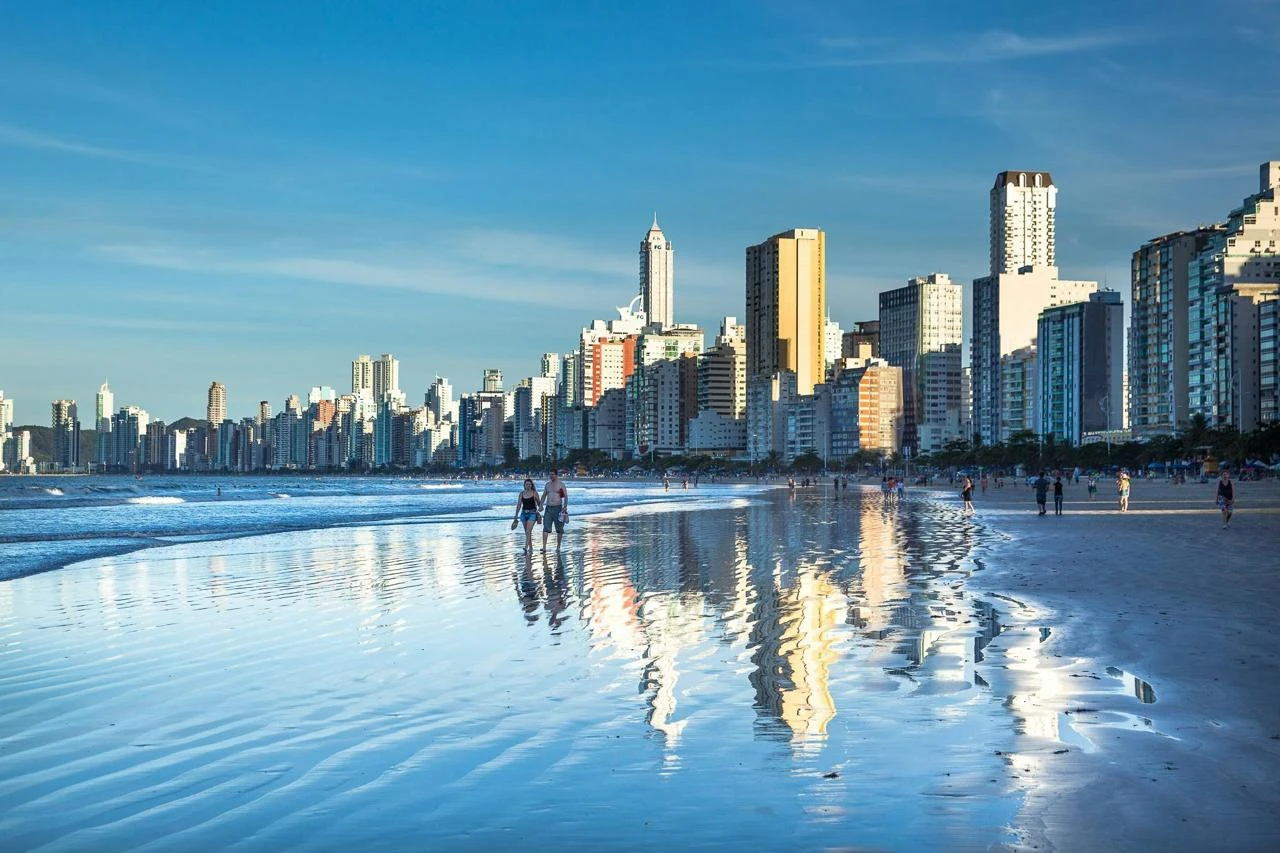
When people think of Balneário Camboriú, towering skyscrapers and a vibrant urban lifestyle often come to mind. But what many don’t realize is that the city’s true soul doesn’t beat on the pavement—it flows through the waters of its bay. Here, the nautical experience is a unique fusion of urban sophistication and ocean freedom, where luxury yachts cruise alongside jet skis beneath one of the most iconic skylines in Brazil.
Balneário Camboriú has reinvented the concept of nautical living. It’s not just about traditional boat rides; it’s an extension of the city’s dynamic lifestyle into the sea. The calm, protected bay becomes the most glamorous and lively aquatic stage along Brazil’s coastline.
Located on the northern coast of Santa Catarina, Balneário Camboriú is one of the main tourist destinations in southern Brazil and across Mercosur. Beyond its beautiful beaches and attractions, the city stands out for its vibrant commerce that remains active year-round.
During peak season, more than one million people visit Balneário Camboriú. The Central Beach waterfront, stretching about seven kilometers, is the city’s main hotspot. Along Avenida Atlântica, bars and restaurants offer diverse cuisine accompanied by live music.
The city is also known for its vertical skyline, with 8 of the 10 tallest buildings in Brazil as of 2025. These impressive structures contrast with natural landscapes and traditional fishing communities, making the city truly unique.
Local development began in the late 1920s with the construction of summer homes owned by residents of Blumenau. However, tourism truly took off in the 1960s, and Balneário Camboriú officially became a municipality in 1964.
Since then, the tourism sector has continued to grow, solidifying the city as the “Tourism Capital of Santa Catarina.” In 2004, it joined international cruise routes, welcoming over 81,000 visitors in its first season.
In addition to leisure tourism, the city is also a reference for business and events tourism. With the completion of its Events Center—featuring over 33,000 square meters, exhibition halls, convention rooms, and parking for more than 1,000 vehicles—this sector is expected to expand even further.
Other attractions include Pontal Norte, Barra Sul Pier, Raimundo Gonzalez Malta Municipal Natural Park, Cristo Luz, Morro do Careca, Unipraias Park, as well as shopping centers, restaurants, and nightlife venues.
History
The history of Balneário Camboriú dates back around 4,000 years, making it a region full of mysteries yet to be fully uncovered by historians, archaeologists, and anthropologists.
Before the arrival of the Portuguese, the region was inhabited by indigenous groups such as the Tupi-Guarani, Carijós, Kaingang, and Xokleng. Evidence of these cultures remains today, including archaeological sites like the one excavated by Father João Alfredo Rohr, where 165 burials were discovered at Laranjeiras Beach.
The name “Camboriú” has indigenous origins and, according to Lino João Dell’Antonio, may mean “river with fish traps,” referring to traditional fishing techniques.
European settlement began in the early 19th century, with land grants distributed between 1822 and 1823 to seven settlers who formed the first families in the region.
Throughout the 19th century, the settlement of Bonsucesso grew and became a parish in 1849. The municipality of Camboriú was created in 1895, eventually leading to the establishment of Balneário Camboriú in 1964.
The city has a strong connection to Catholic traditions. The chapel of Nossa Senhora do Bom Sucesso was founded in the 19th century, later becoming part of the Santa Inês parish in 1967 and renamed Santo Amaro.
Education also played an important role. The first school opened in 1918, and by 1926, formal education was already being offered in the Barra district.
In the early 20th century, Camboriú Beach was a small fishing village. Fishing, especially in the Barra neighborhood, was one of the main economic activities in the 1920s, carried out manually with rowing boats and focused on shrimp and seafood.
Over time, fishing declined due to environmental regulations, economic changes, and urban development. Fewer people now work directly in fishing, while tourism and marinas have expanded.
Despite these changes, fishing remains a strong cultural tradition. The Fishermen’s Colony Z7, founded in the 1920s, is still active and supports the local fishing community.
With the arrival of tourists—especially of German origin—the city began to grow, with the construction of hotels and commercial establishments. The Strand Hotel, opened in 1928, was the first hotel in the city.
In 1957, the Hotel Fischer became the first luxury hotel, attracting prominent visitors such as former president João Goulart. Additional infrastructure followed, including the first pharmacy in 1952 and the famous Marilus Restaurant in 1956. In 1964, the city was officially emancipated, becoming one of the most iconic destinations on Santa Catarina’s coast.
Summary of the Nautical Experiences Only Balneário Camboriú Offers:
1. Sailing with a Postcard View
Renting a boat or yacht here isn’t just about being on the water—it’s about having Brazil’s most iconic skyline as your backdrop. The bay offers stunning and photogenic views, especially at sunset when city lights reflect beautifully on the water.
2. Jet Ski and Wakeboard in Urban Waters
For adrenaline lovers, the calm bay is the perfect playground for jet skiing, wakeboarding, and banana boat rides. Speed meets scenery in a way only BC can offer.
3. Trip to Cabras Island
A natural escape within the city. A short boat ride takes you to Cabras Island, a preserved area with quiet beaches and a rustic restaurant—perfect for a peaceful break.
4. Luxury and Dining at the Marina
The marina is a destination in itself. Walk among luxury yachts, enjoy the sophisticated atmosphere, and dine at waterfront gourmet restaurants where seafood goes straight from boat to plate.
5. Sunset with Champagne on Deck
The ultimate nautical experience: watching the sunset from a boat with a glass of champagne. Many tours are designed around this magical moment when sky, sea, and city blend into a stunning display of colors.
6. Urban Fishing Experience
Even in an urban setting, fishing traditions remain alive. A half-day fishing trip departing from the bay connects you to the traditional side of the sea, just minutes from city comforts.
Balneário Camboriú offers the best of both worlds: the comfort and sophistication of the city combined with the freedom and adventure of the sea. It’s the perfect destination for those who seek luxury, fine dining, and entertainment without giving up the nautical lifestyle.
In Balneário Camboriú, the ocean is not an escape from the city—it’s its most glamorous extension. Come experience this unique duality with Mar Aberto and discover that the true millionaire view isn’t from an apartment, but from the deck of a boat looking up.
Discover Balneário Camboriú with Mar Aberto:
< link to experiences filtered for Balneário Camboriú >
Enjoyed this guide? Share it with someone who loves luxury, adventure, and breathtaking views:
< sharing link >
Learn more about Balneário Camboriú:
Tourism and Economic Development Department
+55 (47) 3367-8122
Email: secretario@secturbc.com.br
Email: turismo@secturbc.com.br
Fishermen’s Colony Z7
Rua José Francisco Vitor, 40
Balneário Camboriú – SC – 88332-230
+55 (47) 3263-1012
Email: coloniadepescadores-z7@hotmail.com
Artisanal Fishermen’s Association
+55 (47) 3366-8667
+55 (47) 99122-1056
Sources:
https://www.memoriasdebc.com.br
Follow Mar Aberto on social media:
< social media link >
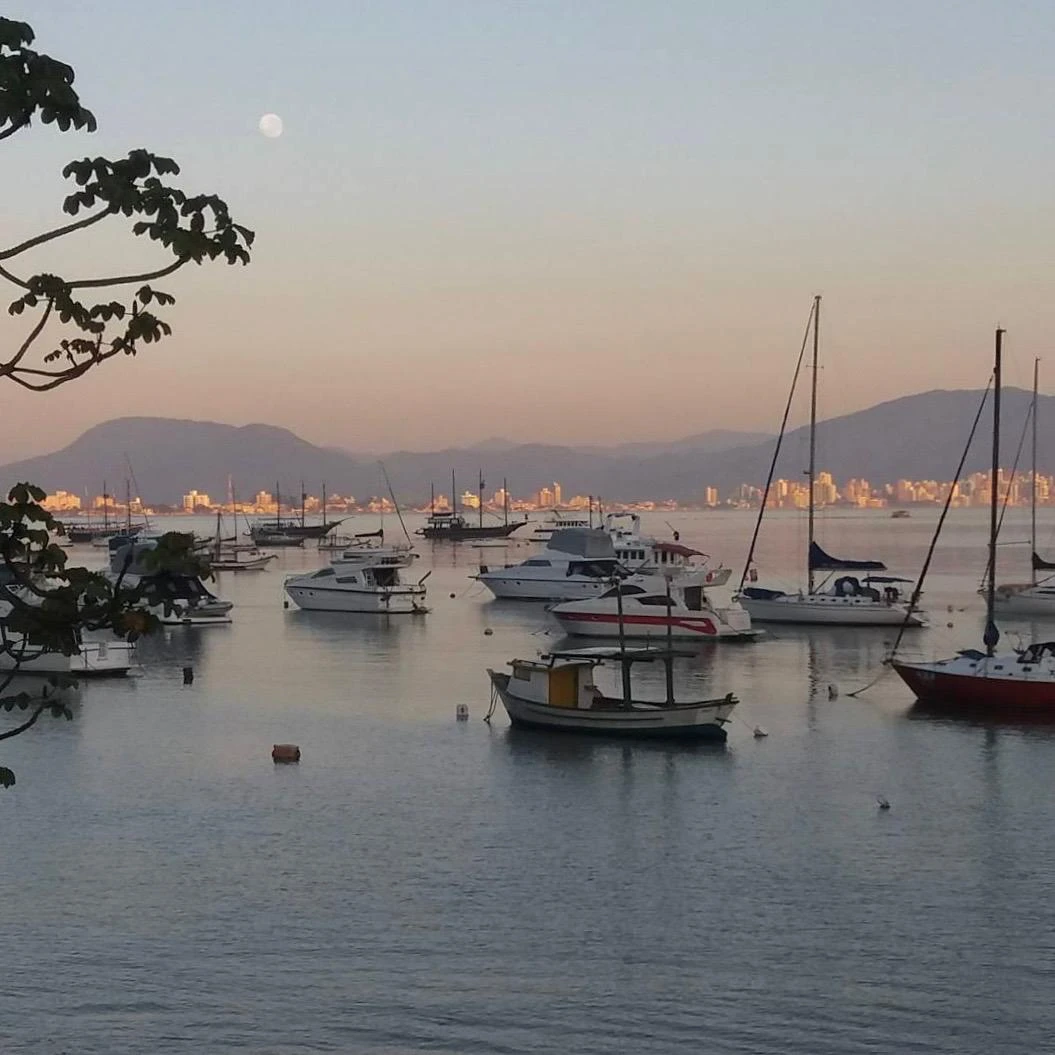
“Porto Belo has one of the best natural bays in Brazil: perfect for boats, tours, and history.”
“A safe haven since colonial times: Porto Belo’s bay combines natural protection with scenic beauty.”
Did you know that the first colonial fishing community in Brazil was established in Porto Belo/SC? Long before the arrival of European settlers, the region where Porto Belo stands today was inhabited by indigenous peoples connected to the sambaqui culture—shell mounds built from shells, food remains, and artifacts that indicate human occupation between 5,000 BC and 1,000 BC. These communities already practiced fishing and gathering in a sustainable way, forming some of the earliest coastal settlements in Brazil.
With the advance of Portuguese colonization, the bay became well known among navigators traveling between Laguna and Desterro (now Florianópolis). A breathtaking natural harbor, Porto Belo’s bay is considered one of the safest and best protected in Brazil, with calm waters, minimal tidal impact, and a strategic location.
From 1817 onward, Portuguese immigrants from the fishing village of Ericeira arrived in the region. On March 25, 1818, by decree of Dom João VI, the Colônia Nova Ericeira was officially established in what was then called Enseada das Garoupas (now Porto Belo). This date marks the foundation of the first officially structured colonial fishing community in Brazil—more than a century before the formal fishing colonies created by the Navy.
Fishing, however, was never just a means of survival. From its earliest days, Porto Belo built a strong cultural identity deeply tied to the sea, based on collective, family-oriented, and sustainable practices. The creation of the Fishermen’s Colony Z-8, still in the colonial period, reinforced the organization of local fishermen, acting as both a union and community representation—an important milestone in defending their rights and valuing traditional fishing.
One of the pillars of this tradition is mullet fishing using the “cerco” (seine net) method, practiced between May and July. Dugout canoes carved from a single tree trunk, handmade nets, and the collective effort of entire families form a ritual that goes far beyond fishing—it is a cultural and communal expression. In 2024, fishing huts, canoes, oars, and the fishermen themselves were officially recognized as Porto Belo’s Historical, Cultural, and Intangible Heritage. In 2025, the traditional use of coastal areas was legally recognized by the federal government in partnership with the municipality, ensuring legal protection for these practices.
The community’s social structure remains rooted in family cooperation and active participation in decision-making spaces, such as the Municipal Fishing Council. This connection between tradition, governance, and cultural preservation strengthens the continuity of artisanal fishing, which also plays a vital role in food security and community life.
Despite its rich cultural heritage, the municipality underwent a territorial and administrative split in 1992, when Bombinhas became independent, reducing Porto Belo’s coastal area and regional influence. This shift led the city to redefine its economic and political priorities. Since then, Porto Belo has invested in sustainable tourism, the appreciation of its fishing heritage, and the strengthening of community traditions, entering a new phase of renewal and urban transformation.
Today, Porto Belo is recognized not only for its natural beauty, but as a place where the living memory of artisanal fishing continues to thrive and evolve—blending indigenous, colonial, and coastal (caiçara) influences. It is a community born from a deep connection with the sea, still navigating forward with strong roots and an innovative vision for the future.
Did you enjoy this historical and cultural journey with Mar Aberto through beautiful Porto Belo? Share it with your friends or on social media using the links below:
Follow Mar Aberto on social media:
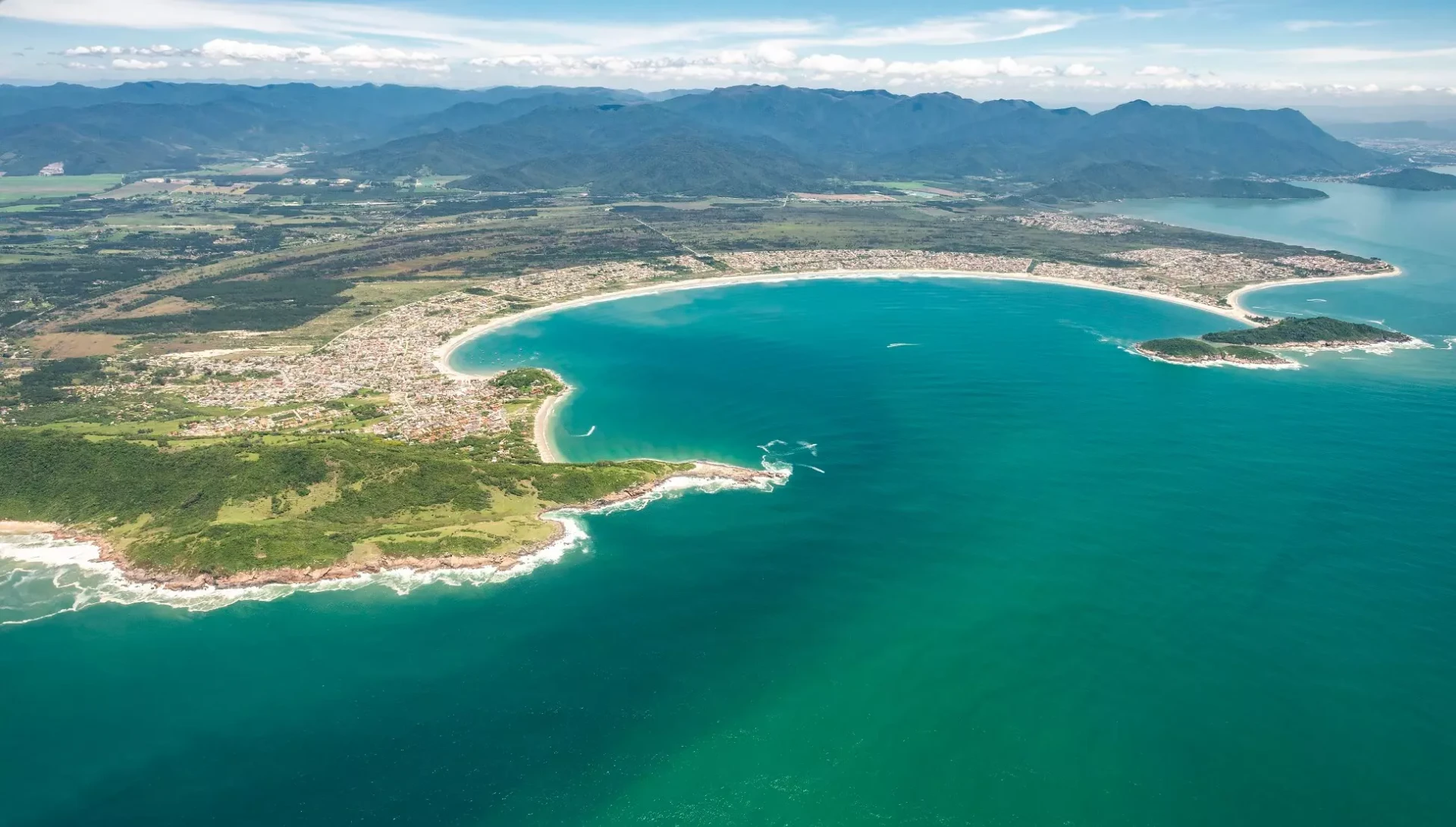
Where Work, Tradition, and Paradise Beaches Meet
Forget everything you think you know about Greater Florianópolis. Palhoça, often overshadowed by its famous neighboring island, hides some of the best-kept nautical secrets in Santa Catarina. This is not a destination of calm seas and turquoise waters, but rather a raw and authentic coastline, where adventure is intense and the connection with nature is total. For true ocean explorers, Palhoça is a remarkable discovery.
For over a century, along different parts of the Santa Catarina coast, a ritual repeats itself with the arrival of cold fronts. Taking advantage of ocean currents, schools of mullet migrate from the southern regions of Brazil in search of warmer coastal waters to spawn. This phenomenon is also observed in Palhoça, where artisanal mullet fishing remains a tradition that preserves deep historical and cultural ties.
When fishermen spot movement in the sea, they launch into a true battle against nature. Whether aboard small boats, using nets, or even standing on the shore performing traditional beach seine fishing, they cast their nets with precision. With some luck, when the nets are pulled back, hundreds—or even thousands—of fish may be caught. In 2023 alone, Palhoça recorded over 61 tons of mullet, highlighting the importance of this activity not only as a source of income but also as a pillar of food security for many families.
Beyond its cultural richness, Palhoça is a place of stunning natural beauty. Its paradise beaches, islands, hills with breathtaking views, and ecological parks invite visitors to fully experience nature. Located just 15 kilometers from Florianópolis, the city has been recognized by Embratur as an important tourism hub. Positioned between the coastline and the Serra do Mar, Palhoça offers a wide range of leisure activities.
Among its most famous beaches are Enseada de Brito, Guarda do Embaú, Praia da Pinheira, and Praia do Sonho.
Enseada de Brito preserves the traditions of the first Azorean settlers, where it is still common to see fishermen quietly observing the sea. Nearby lies Pedras Altas, one of the naturist beaches of the state, offering calm waters, trails, and natural pools. Meanwhile, Guarda do Embaú has evolved from a small fishing village into one of the trendiest destinations in the region.
Close by, Praia da Pinheira stands out as a peaceful and family-friendly paradise, surrounded by preserved vegetation. Finally, Praia do Sonho enchants visitors with its calm waters, ideal for fishing and relaxation.
Palhoça’s culture reflects the diversity of its settlers—Portuguese, Azorean, Italian, and German—whose traditions remain visible in everyday life. Local handicrafts, especially those with indigenous roots, preserve ancestral knowledge. Traditional mills and distilleries still produce flour and cachaça, keeping cultural heritage alive.
Nautical Experiences Only Palhoça Can Offer
1. The Challenging Crossing to Ilha do Papagaio
The ultimate adventure. Crossing to the island with a local fisherman can be intense, with rough waters adding to the thrill. Once there, untouched beaches, wild trails, and natural pools reward the journey.
2. Kitesurfing in the Bay of Praia da Pinheira
With constant winds and wide shallow waters, this is one of Brazil’s top spots for kitesurfing and windsurfing—perfect for beginners and experts alike.
3. Surfcasting on Ocean Beaches
Beaches like Pinheira and Guarda do Embaú offer challenging surfcasting opportunities, targeting species like robalo and mullet. It’s a tradition that demands patience and skill.
4. Kayaking Through Mangroves
Explore a rich ecosystem by kayaking through mangroves along the bay. Observe birds, crabs, and marine life in a peaceful, immersive experience.
5. Whale and Dolphin Watching
The deep waters near Ilha do Papagaio are known routes for Bryde’s whales. Guided tours also offer frequent sightings of dolphins, creating unforgettable moments.
6. World-Class Surf at Guarda do Embaú
This iconic beach is globally recognized for its powerful and perfect waves, shaped by the mouth of the Madre River. Surfing here is stepping into the history of the sport.
Palhoça is for those who seek more than the obvious. It’s for adventurers who value authenticity over polished infrastructure, who prefer the raw power of the open sea over calm waters. It’s about real connection with nature, local experiences, and the feeling of discovering something truly unique.
Palhoça doesn’t reveal itself easily—but for those willing to explore, it offers one of the most genuine and unforgettable nautical experiences on the Brazilian coast.
Highlights
Porto Belo – Where the Sea Tells Millennia-Old Stories
30 Out 2025
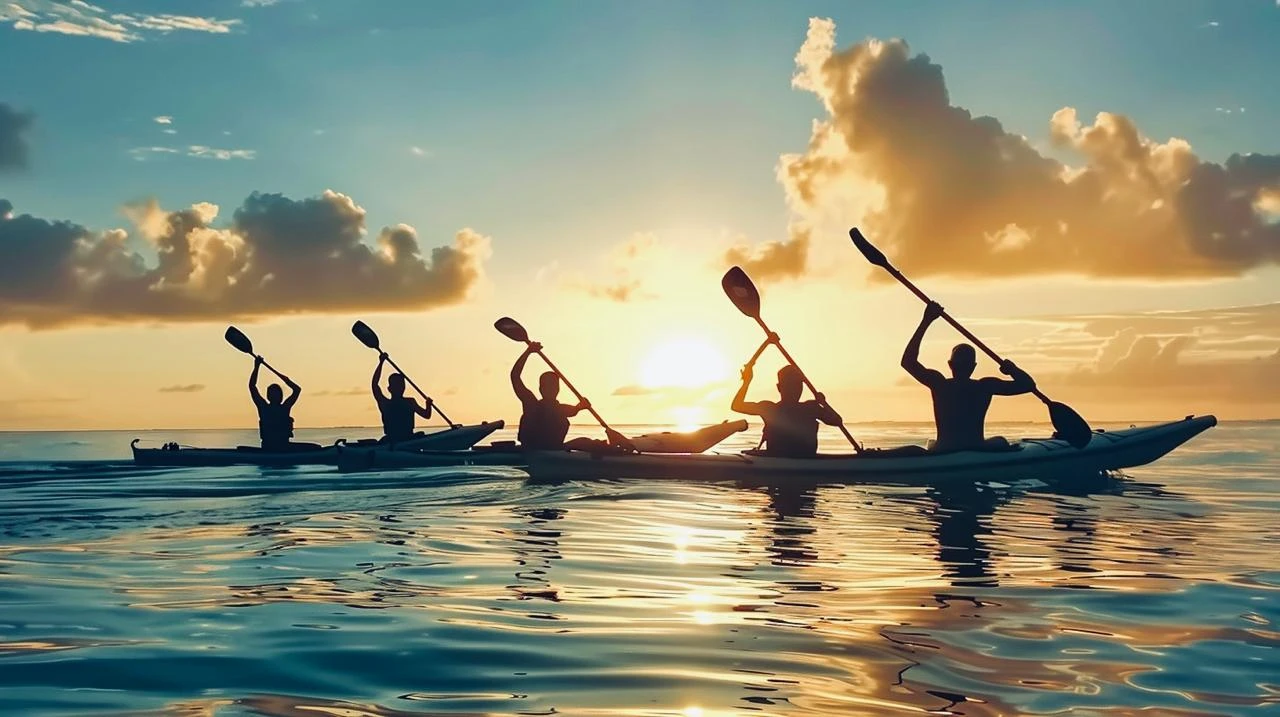
Hawaiian Canoe: History, Rules, and Benefits
29 Out 2025
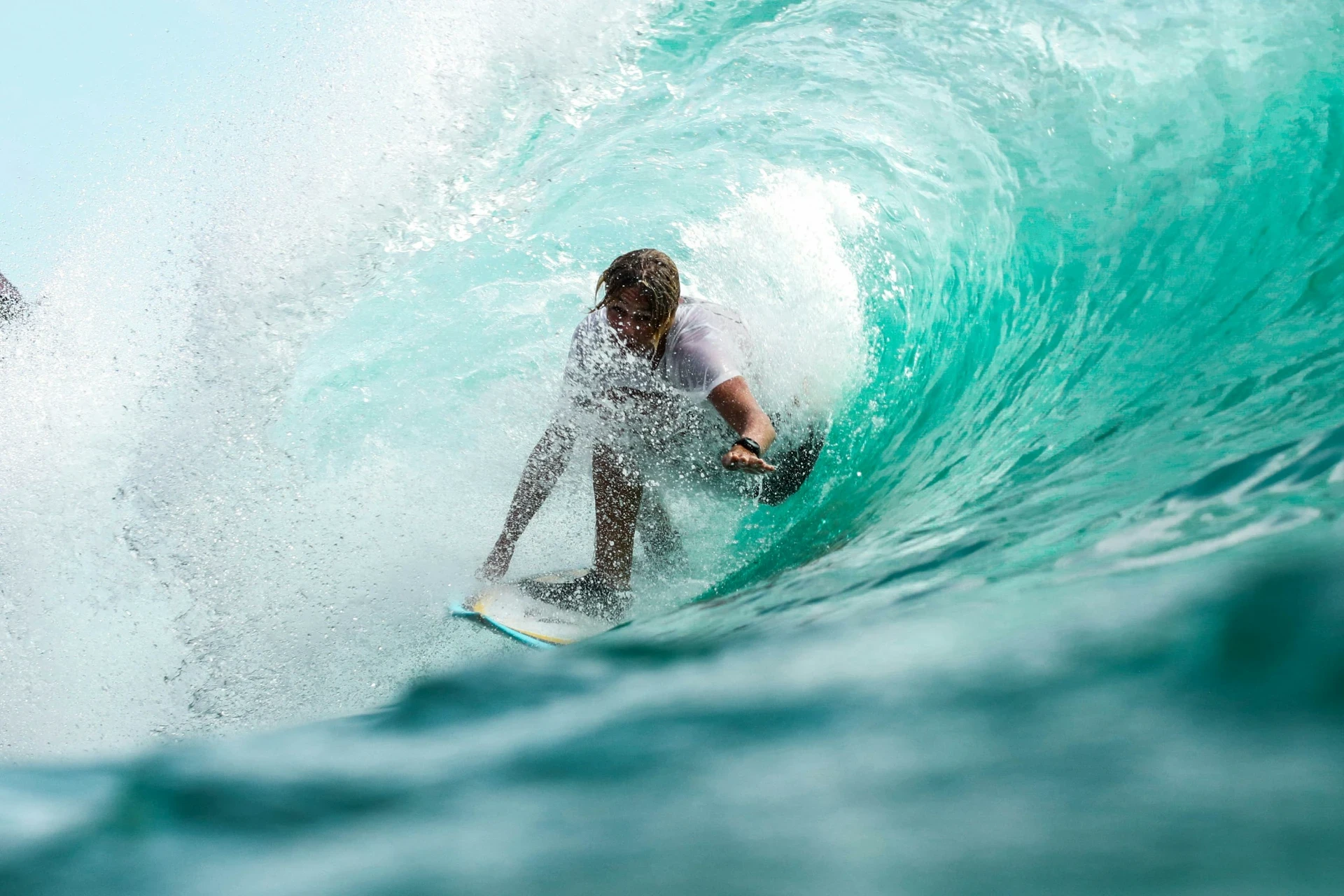
Surf: Tips + Best Beaches in Santa Catarina to Practice
29 Out 2025
Parts of a Vessel: Quick Guide to Navigate Safely
29 Out 2025
Mar Aberto: more convenience for you, more inclusion with Mar Social
29 Out 2025